
Seasonal Crochet Patterns
Crochet changes with the weather more than most crafts do. A chunky wool balaclava and a breezy cotton crop top use the same hook skills, but almost every other choice is different: yarn, stitch, size and purpose. That’s why these patterns are grouped by season, each built around what you’ll actually want to make and wear at that time of year.
The four seasons
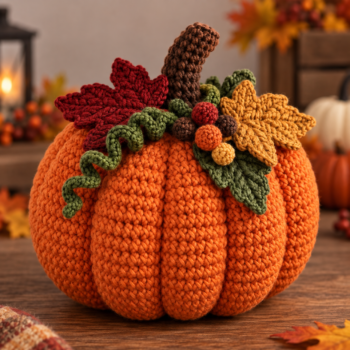
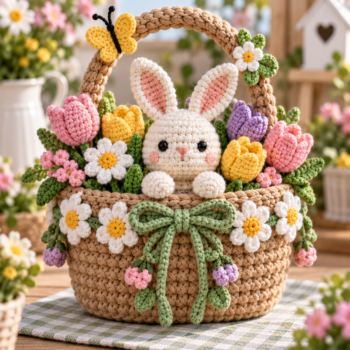
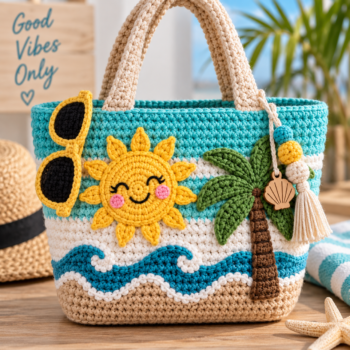
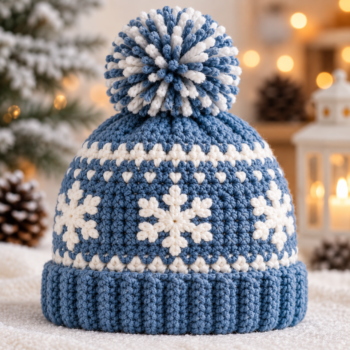
Spring crochet patterns are small, bright and quick. Think flowers, garlands, door wreaths, light open-stitch cardigans, and blankets in fresh colours. Most projects take an afternoon, which makes spring the perfect season to learn. Summer crochet patterns are all about cotton and clothing. You’ll find crop tops, halters, sundresses, beach cover-ups, market bags and sun hats. Using a hook slightly bigger than the yarn label suggests keeps the fabric airy and drapey. Fall crochet patterns bring back the cosy projects: leaves and pumpkins for the mantel, gnomes, doilies, early ear warmers, and granny squares in rust and mustard. It’s the season when a blanket on your lap finally feels welcome. Winter crochet patterns focus on warmth. Balaclavas, ski masks, chunky beanies, ear-flap hats, wool-blend jumpers and heavy crochet blankets fill the long evenings. For specific dates, the holiday crochet patterns cover Christmas, Halloween, Thanksgiving, Easter, Valentine’s Day and St Patrick’s Day.
Why we publish early
Handmade takes time. A summer top can take eight to fifteen hours, and an afghan can take thirty to seventy. If you wait for the weather to change, it’s already too late for anything big. That’s why each collection goes live months before its season. A good rule: open the next season’s collection, not the current one. If you sell at markets, start even earlier. The makers who do well at autumn and Christmas fairs begin in August.
What changes from season to season
Three things shift through the year. The first is fibre. Cotton suits spring and summer because it breathes and shows bright colours well. Wool suits fall and winter because it holds heat and blocks into shape. Acrylic works year-round and is ideal for decorations you’ll pack away and use again. The second is stitch density. Summer pieces need open stitches and a larger hook, while winter pieces need tight stitches and a smaller hook to keep the cold out. The third is size. Warm months reward quick small makes, and cold months are when blankets and garments are worth the hours. Every pattern lists the exact yarn used plus two substitutes, so you don’t have to guess.
What’s in every pattern
Each seasonal pattern is an instant PDF that stays in your account permanently. It is written in US terms with a UK conversion key, has stitch counts on every row, and includes photos where people usually get stuck. Wearables come with full sizing and a schematic. A small-business licence lets you sell what you make, and if you get stuck, you can email Support@crochetneedle.com for help. Want to try before you buy? Our free crochet patterns include a seasonal design every quarter.
Frequently asked questions
When should I start a seasonal project?
Start about three months ahead for big pieces, one month ahead for accessories and decor, and any time for small makes. For market stock, add another month.
What’s the difference between seasonal and holiday patterns?
Seasonal collections cover a whole stretch of weather. Holiday collections focus on single dates within those seasons, like Easter in spring or Christmas in winter.
Which yarn is best for each season?
Use cotton for spring and summer, wool for fall and winter, and acrylic for decorations at any time of year.
Do the collections change every year?
Yes. New patterns are added before each season, and older ones stay available.
Can I sell what I make?
Yes, you can sell your finished items online or at markets, but not the pattern file itself.